

‘Photonic-crystal nanolasers shown to be highly sensitive biosensors’ printed in Materials News section of January 2016 MRS Bulletin. Read more…
‘Photonic-crystal nanolasers shown to be highly sensitive biosensors’ printed in Materials News section of January 2016 MRS Bulletin. Read more…
 Assessing the role played by additive manufacturing in aircraft production. Read more in Laser Systems Europe (print, pg 18-19) and online…
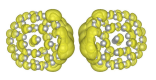 Understanding and manipulating plasmons is important for their potential use in photovoltaics, solar cell water splitting, and sunlight-induced fuel production from CO2. Now, for the first time, the interplay between the plasmon mode and the single particle excitation within a small metal cluster has been simulated directly. Read more at Berkeley Lab…my last press release written while full-time at LBNL (credit at bottom of article…embargo lifted after I left!)
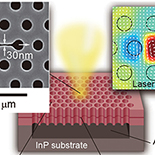 Move over, ELISA. While the Enzyme-Linked ImmunoSorbent Assay has long been one of the most popular ways of detecting and quantifying the presence of antibodies or antigens in solution, nanolasers may be poised to share the spotlight on the biosensor stage. Read more at Materials 360 Online…
 A cruise to study landslide potential along an earthquake-prone fault found a surprising methane plume. Read more at Eos…
 Wladek Walukiewicz led the development of the first intermediate band solar cell to demonstrate charge transfer across all three band transitions – valence/intermediate, intermediate/conducting, and conducting/valence. These results open the door to high-efficiency solar cells and multicolor light emitters. Read more at Berkeley Lab…
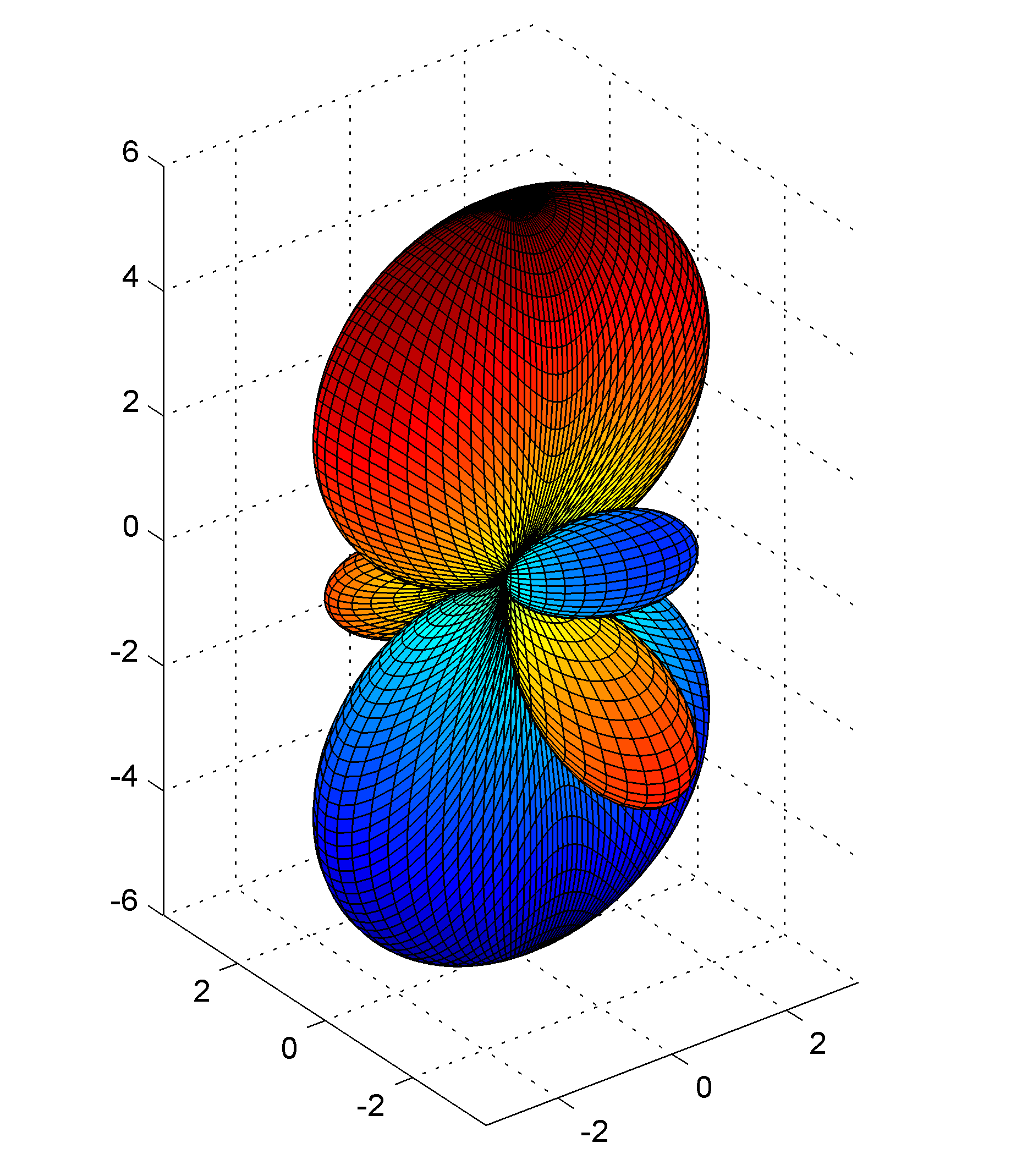 Berkeley Lab scientists publish world’s largest database of piezoelectric properties Read more at Berkeley Lab…
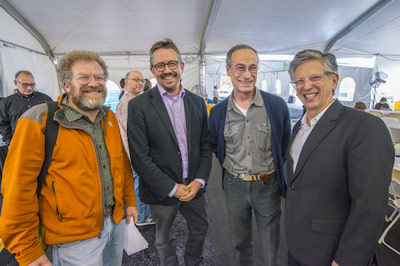 A US Department of Energy (DOE) user facility such as the Molecular Foundry provides perhaps one of the best examples of a community in which scientists from a range of disciplines have the opportunity to forge connections. Read more at Berkeley Lab…
 Berkeley Lab researchers characterize individual defects inside a bulk insulator using scanning tunneling microscopy. Read more at Berkeley Lab…
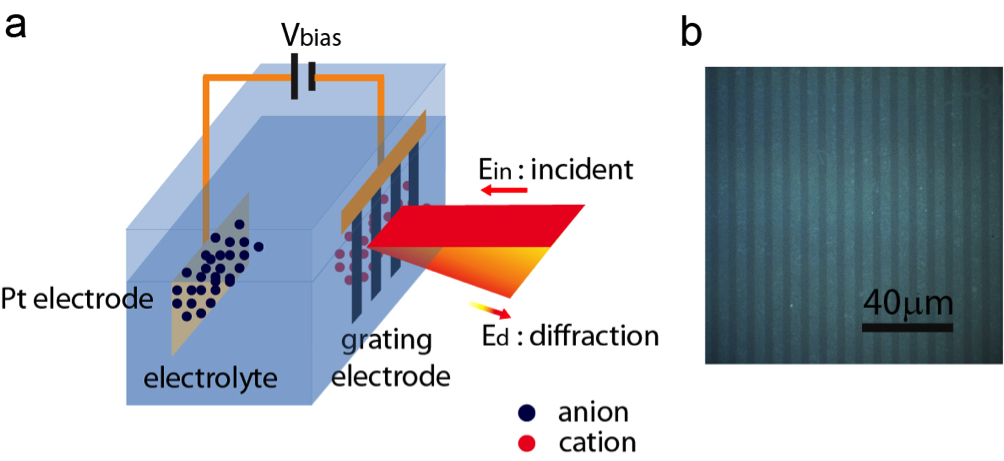 Berkeley Lab researchers’ novel diffraction spectroscopy technique will provide insight to chemical processes at important battery interface. Read more at Berkeley Lab…
 Rachel Berkowitz