

A homogenous mixture of two self-propelling species first forms a polar vortex and then spontaneously demixes, thanks to a difference in speeds and other competing effects. Read more in APS Physics…
A homogenous mixture of two self-propelling species first forms a polar vortex and then spontaneously demixes, thanks to a difference in speeds and other competing effects. Read more in APS Physics…
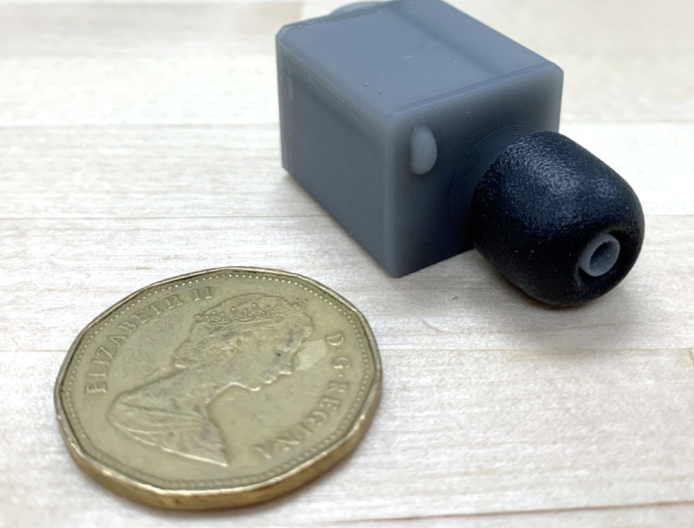
A new 3D-printed earplug can absorb physiological sounds made by the body, potentially making it more acoustically comfortable to use than some commercially available earplugs. Read more in APS Physics…

Measurements indicate that intense x-ray pulses can change the electronic structure of a material on femtosecond timescales, a finding that could improve imaging of light–matter interactions. Read more in APS Physics…
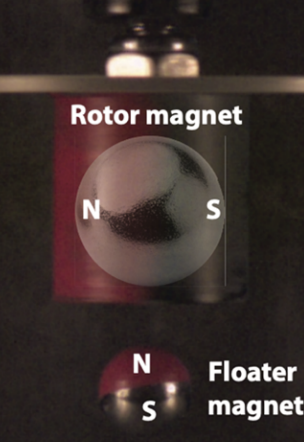
A detailed experimental analysis explains the forces by which a spinning magnet can cause another magnet to levitate in midair. Read more in APS Physics…
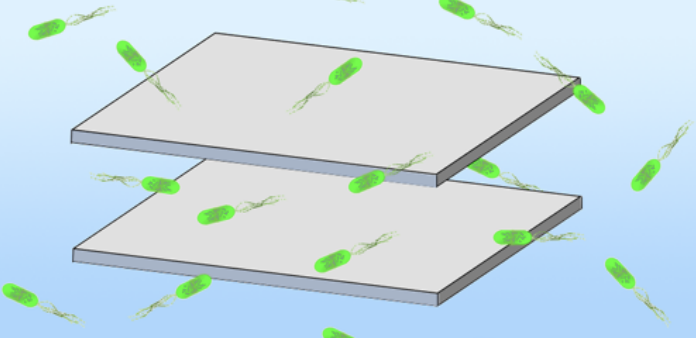
The flow field generated by swimming bacteria drives a long-range attractive force felt by passive objects much larger than the swimmers themselves. Read more in APS Physics…

The company’s engineers produced custom-designed lighting that will attract attention to the client’s slot machine. Read more in American Bright…
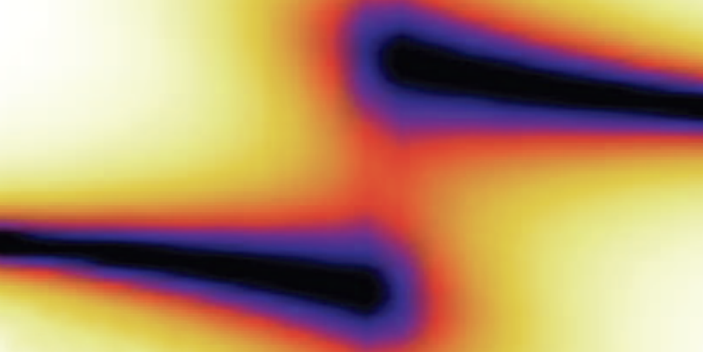
Resonant excitation of a thin-film semiconductor leads to impurities that attract rather than repel each other, providing a possible tool for manipulating superconductivity. Read more in APS Physics…
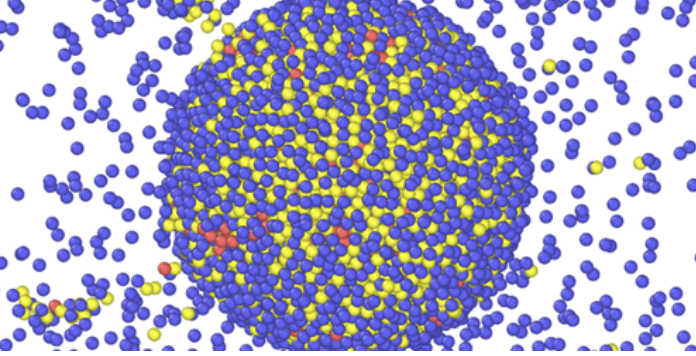
Catalytically active particles form clusters when they respond not only to their own chemical targets but to those of other catalysts, too. Read more in APS Physics…

Researchers turn to synchrotron imaging of historical and homemade prints to explore possible connections between early printing methods in Korea and Europe. Read more in APS Physics…
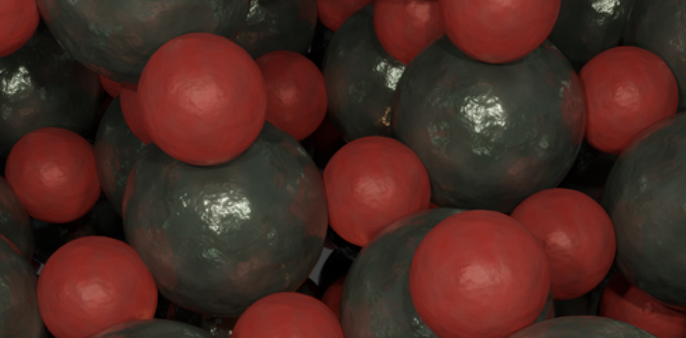
The reactivity of a material is describable using only the arrangement of its atoms, a finding that could be used to speed up the search for new catalytic materials. Read more in APS Physics…
 Rachel Berkowitz