

A model captures how the retina avoids tuning out during a fixed gaze. Read more in APS Physics Magazine…
A model captures how the retina avoids tuning out during a fixed gaze. Read more in APS Physics Magazine…
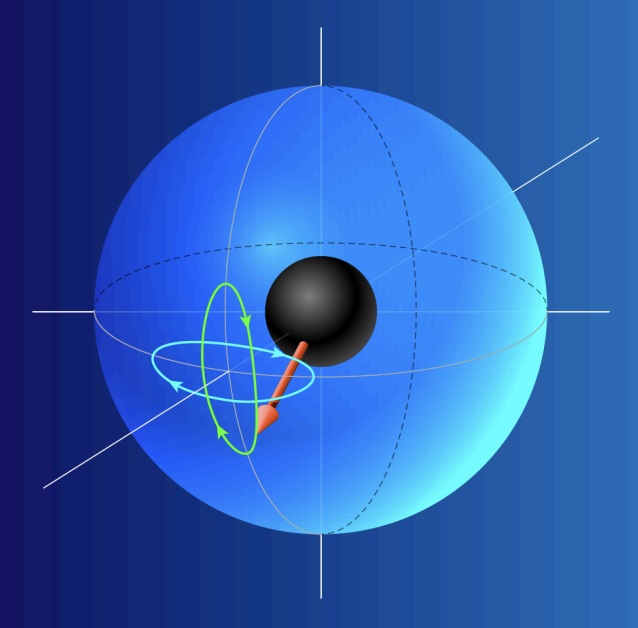
An isolated magnet’s intrinsic angular momentum induces gyroscopic motion, an observation that could lead to ultrasensitive magnetometers. Read more in APS Physics Magazine…
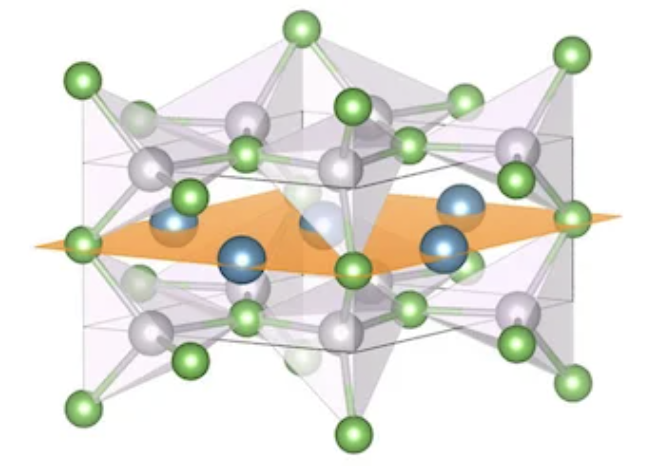
Thanks to its unusual band structure, a metal alloy could speed up a potentially sustainable production process. Read more in APS Physics Magazine…

Like its slowly perturbed counterpart, a rapidly perturbed quantum system stays closer to the ground state than to any excited state. Read more in APS Physics Magazine…

Andrea Damascelli recounts the struggles of coordinating different sectors to establish a quantum technology ecosystem in Canada. Read more in APS Physics Magazine…
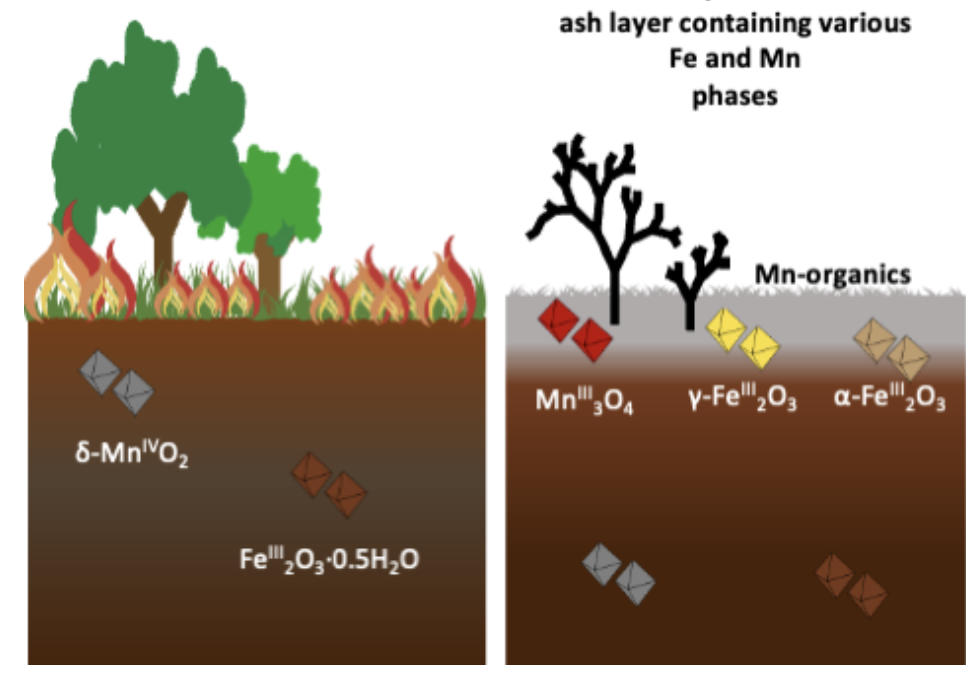
X-ray microscopy tools at the Advanced Light Source (ALS) mapped the chemistry of wildfire ash, revealing microscale organizational changes in elements within the ash. Read more at Berkeley Lab…

Find explains how volcanic ash plumes spark lightning and why dust in grain silos can explode. Read more in Science Magazine…
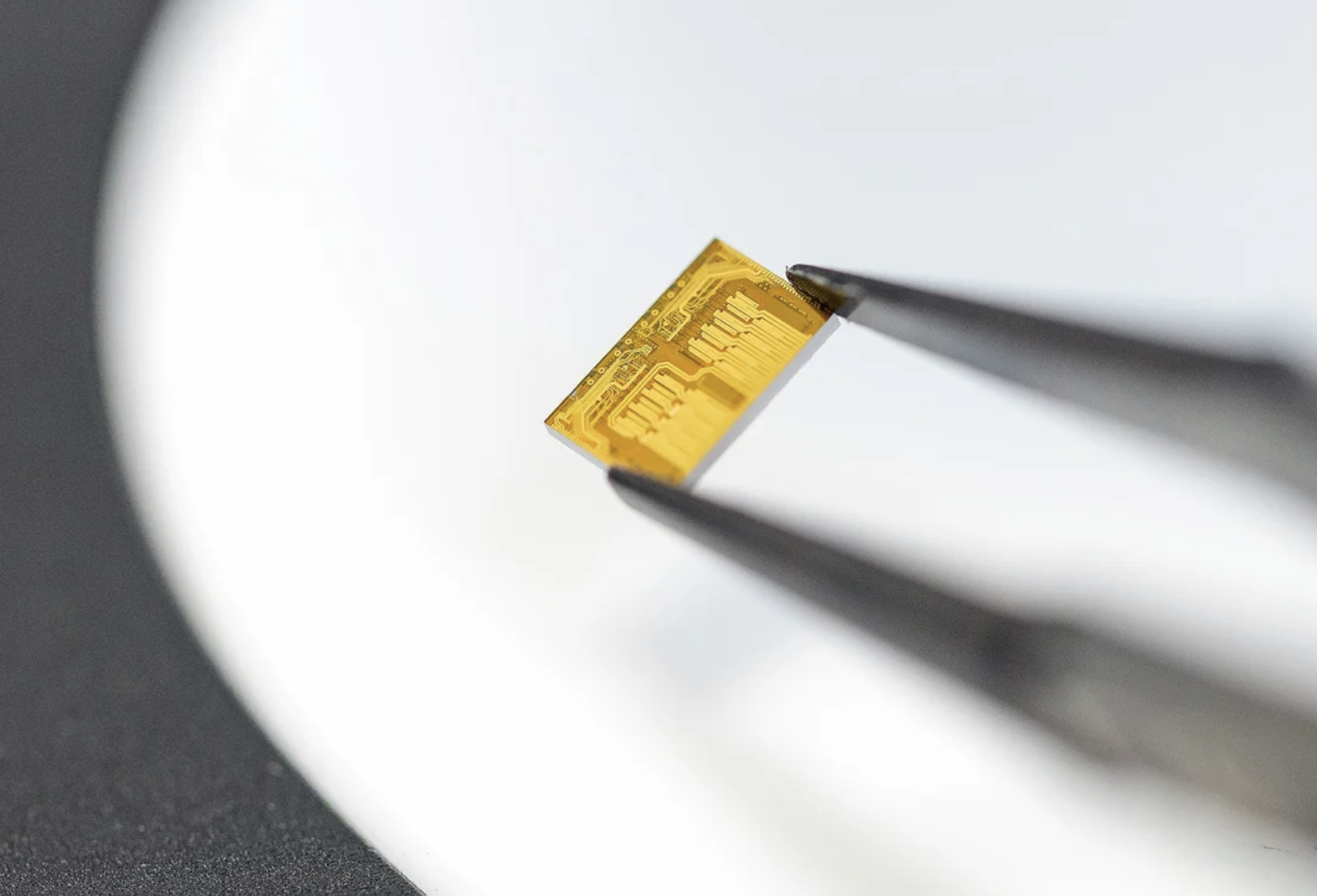
Feeding more optical signals into one fiber will reduce latency. Read more in IEEE Spectrum…

Atom-level understanding of how the surface electronic properties of a magnetic semimetal can be tuned could guide its use in advanced technologies like spintronics and catalysis. Read more at Berkeley Lab…

New modeling explains why smoke-filled vortices in the upper atmosphere have all been observed rotating in a single direction. Read more in APS Physics Magazine…

